My Argument FOR Changing Running Form

This article will probably stir up a lot of discussion and perhaps criticism from some professionals who advocate fiercely against changing running form. But as with most things, there is a time and a place for everything. When working with runners in the clinical sense, it’s actually disadvantageous to never watch them run.
It’s important to note that I work clinically as a physical therapist treating injured runners. So by and large, most people that come in to see me are injured. But I also have clients come in for preventative care and gait analyses to make performance gains.
The argument against changing running form lies in the basis that we self select our most optimal mechanics based on our body’s current constraints/limitations. While this is true to some extent, running still places high stresses on the body. And running with poor form can place undue stress on structures and lead to breakdown. Diving into a runner’s biomechanics can lead to pieces of the puzzle that you wouldn’t find otherwise.
Running, like any sport, requires skill. This skill is a pretty important factor considering the high risk nature of running. Yes, it is a natural movement for the human body, but you could argue so is throwing a ball or swinging an axe. Do you think the best baseball players in the world just go through the motions of throwing a baseball without working on technique and perfecting their craft?
“But Caitlin, these are pro athletes.. they are the best in the world. Normal people don’t need to put so much attention into this.” Wrong. Recreational runners are the primary population that that can benefit from improving their skill and technique with running, both from a performance and injury prevention standpoint (now I say “injury prevention” loosely because there’s no surefire way to 100% prevent an injury.. the best we can do is reduce the risk).
There are a lot of keyboard warriors and influencers who think they have a lot of power because they have a wifi connection and a following. “Running injuries are primarily training load errors”, they say, oversimplifying the mechanisms behind why runners get injured in the first place. These people also work mostly online, rarely seeing a client or patient in real life.
They are steadfast on the current research surrounding these topics and fiercely criticize any professional who goes against it. But what they don’t understand is that, while research is important, clinical and practical application are arguably more important. We use the literature to guide our clinical decision making, but sometimes, things present and manifest differently when you’re working 1:1 with a patient. Sometimes, the research only tells part of the story. We’re working with humans who have so many things going on, different sources of stress, different rates of compliance. They aren’t robots. This isn’t a randomized control trial in a lab setting.
What these people don’t see is my client who came in for a gait analysis after months of PT did nothing to resolve his hip and knee pain that would come on like clockwork about an hour into his run. We found that his cadence was 148 steps per minute (!!!) and he had a crazy amount of vertical oscillation, so essentially, just an unusually high amount of force and load going through his body with each step. Toning down the vertical oscillation and increasing his step rate resulted in much less stress to his hips and knees and reduced fatigue, and his pain slowly dissipated as he adopted these new changes.
What these people don’t see is the triathlete who came to see me for a gait analysis to run faster off the bike and get to the root of some intermittent knee pain. The analysis showed a problem with dynamic stability that was actually worse with slower running. I gave him a stability program and a few form cues for smoother running and this was his email follow-up:
“I just wanted to thank you for the running analysis. Yesterday I managed to run 10 miles with zero pain. Changing my foot strike definitely required me to use my calves a lot more (with some initial challenges there due to increasing the load a bit too fast - I’m impatient). I dialed it in over 1-2 months and as a result, now my calves (soleus in particular) have fully adapted and I can run the entire time with that midfoot running gait pattern + zero knee pain. My cadence is also consistently up to the mid 170s at slower paces and 180ish for faster.”
He is now consistently running about 60-90 seconds faster for his training runs and races.
What these people don’t see is my patient I was treating for chronic plantar fasciitis for 9 months, who had done ALL the strength and stability work, checked all the boxes. But every time he started to ramp up his run volume (even incredibly conservatively), his foot would flare up. When I watched him run, he was a significant forefoot runner with a cadence in the 150s. So we worked on a cadence program with him to reduce his ground contact time and relax his feet. This was VERY challenging for him at first. But as he worked on it, he turned a corner. Now we are almost a year into consistent running and he is training for an ultra this fall.
By the way, this patient was on the verge of heart failure and needing a heart transplant due to a critically low ejection fraction. After almost a year of consistent running, his updated labs showed his EJ improved to the point of not qualifying as a heart failure patient. His cardiologist was shocked. Getting him back into consistent running most likely saved his heart and potentially his life.
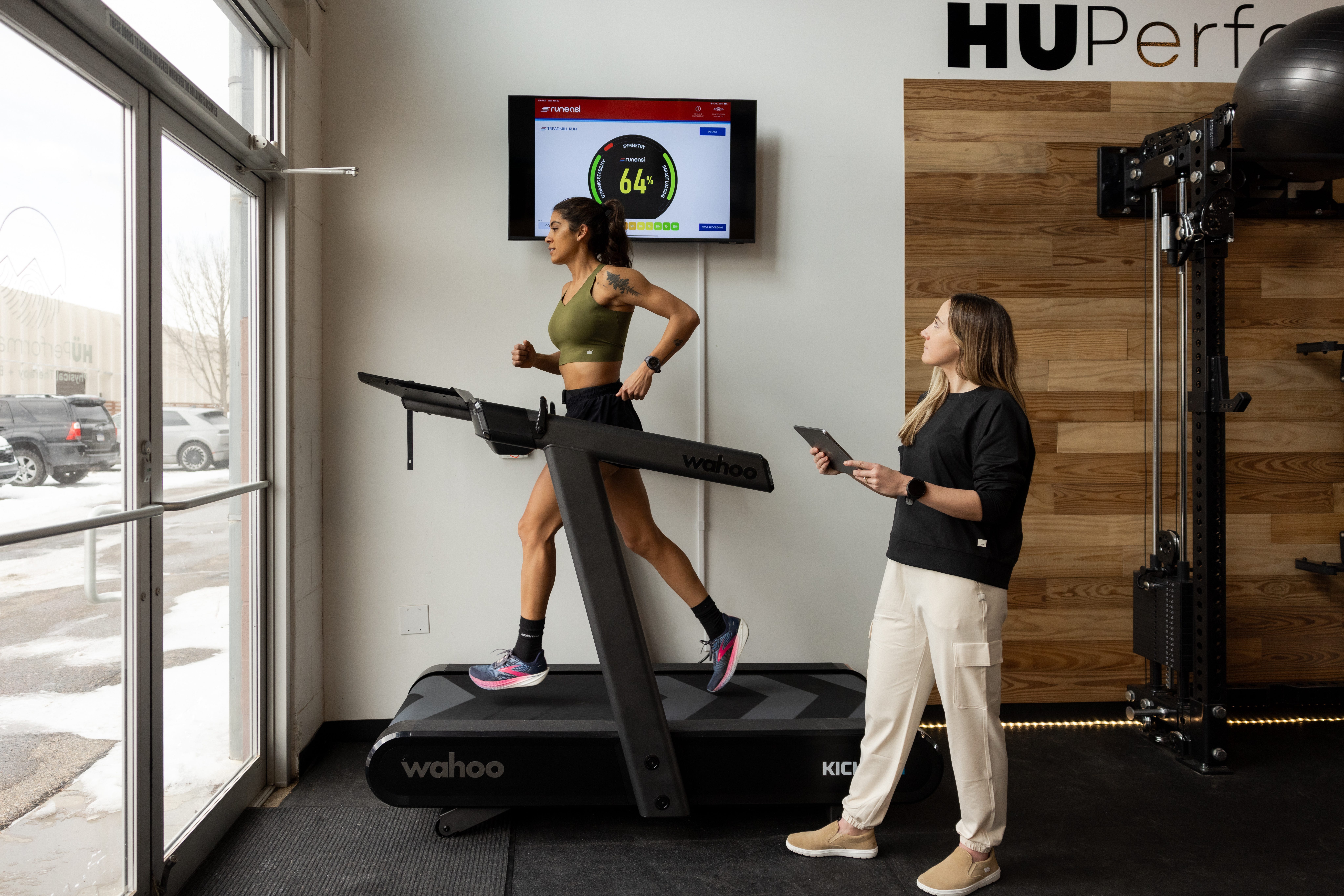
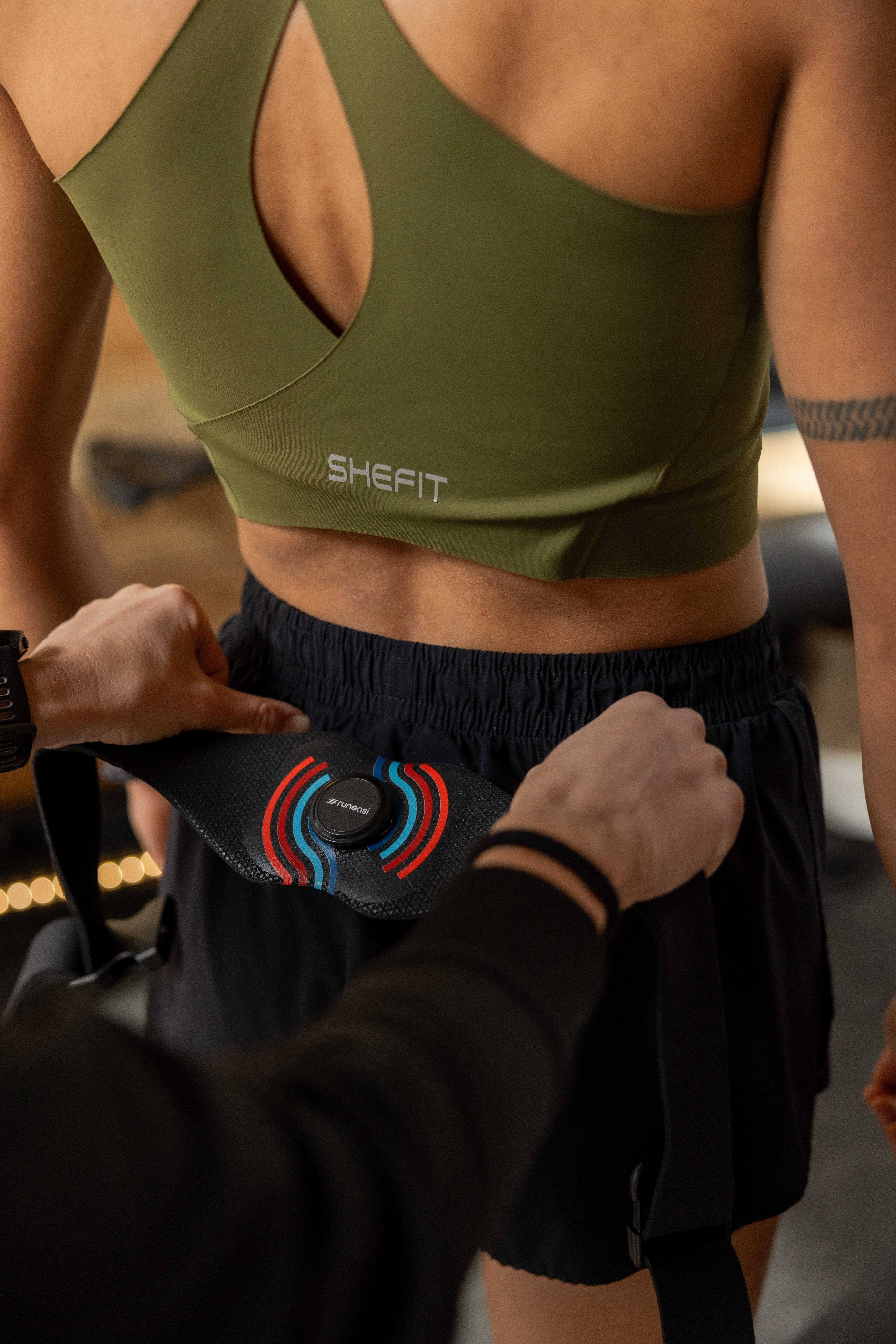
These people also haven’t worked with my patient who has had TWO fasciotomies for Chronic Exertional Compartment Syndrome. She had done YEARS of PT and strength work but her symptoms kept coming back once getting back into running (numbness in the foot, pain into the calf, etc.). I brought her in for a gait analysis using my RunEasi system, which gives us data and insight into load factors influencing the body, things you cannot see with a typical video analysis. We found significant issues with her hip stability and ability to absorb shock on her affected leg. We had clear data to work off of and her strength coach reprogrammed her routine to improve this, as well as support her grounded running style with exercises to develop and improve hip mobility and hip flexor flexibility and strength. She’s now had her most consistent streak of pain-free running in three years.
These are just four examples, but I could write an entire novel on all the positive experiences I’ve had with patients from a gait analysis perspective. Does everyone need their running form analyzed? Absolutely not. Running form comes in all shapes and sizes and I often don’t recommend people make any changes. Does every injured runner need their running form analyzed? Again, no. Sometimes, we just make silly training errors. Sometimes we just have too many stressors in our lives compounding. But the black and white argument against changing running form is simply foolish. There is a time and a place.
As Jay Dicharry, MPT says, “Optimal running gait should be symmetrical, biomechanically efficient, and minimally stressful on the body.” As PTs, our focus should be on identifying the biomechanical cause of a symptom, optimizing tissue load, and get runners to their goals.
Omg as a PT and trail runner I feel so validated reading this 🤓 The body taking the path of least resistance, I think, is where “natural” running form often takes flight for a lot of recreational and non-professional runners, and we know this is not often advantageous. I think more PT’s who understand running need to be okay with advocating a change of form for their runners when it’s actually indicated.
I think the comparison to baseball pitching mechanics is spot on. A young pitcher may have poor mechanics that compound over the season. Gets injured around the same point every year despite coming into the season healthy.
It’s much more accepted to change and evaluate pitching mechanics. It’s interesting to see the resistance to changing running form when it presents a similar problem.
Enjoyed reading this!